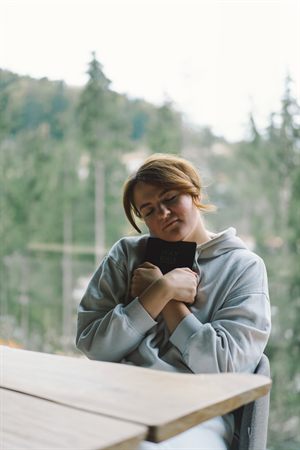
Being involuntarily single means wanting a romantic relationship while remaining single for longer than you would choose. It does not mean that anything is wrong with you. It describes a gap between what you want and what your current life or dating experience makes possible.
For someone who feels involuntarily single, the hardest part may be watching other people form relationships while promising conversations fade, introductions go nowhere, or new connections prove unavailable. That experience can become tiring without being a verdict on your future.
What “involuntarily single” really means
The phrase should describe a present experience, not a fixed identity. An involuntarily single person may want a committed partnership, companionship, marriage, or simply the chance to build a close relationship. They may have tried repeatedly, received little interest, or found that the people they meet want something different.
This is different from being single by choice. It is also different from believing that another person owes you a relationship. Wanting closeness is understandable; treating it as an entitlement usually makes dating more painful for everyone involved.
For an involuntarily single person, the label is most useful when it points to a practical question: is the main difficulty desire, readiness, opportunity, or the way these factors interact?
The gap between desire and opportunity
Involuntarily single people are not always lacking motivation. Many want to date but have few natural opportunities to meet compatible people. Friends may be partnered, work may offer no suitable introductions, and the local community may have limited contact with people who share their age, values, language, or orientation.
Geography can matter as much as personality. A large city may offer more introductions but faster decisions. A smaller town may feel friendlier while providing fewer compatible options. Age, disability, identity, or orientation can also make the local group smaller. The result can feel personal even when part of the problem is structural.
Why the situation can last
For people who are involuntarily single, disappointment can lower confidence. A cautious profile or an early-ending conversation then seems to confirm that nothing will change.
Time and energy create another loop. Work, parenting, care for relatives, health concerns, financial pressure, or a long commute may leave little room for dating. Occasional messages rarely provide the repeated contact that trust requires.
Some involuntarily single people also carry rejection or betrayal from the past. They may want a relationship but protect themselves so carefully that another person cannot tell there is room for one. That is not a character flaw; it may be an old protective habit that needs a gentler adjustment.
When interest has no momentum
Consider someone who joins a dating platform after years alone. They write a thoughtful profile, but one lives too far away, another is unavailable, and a third stops replying. After several rounds, the person concludes that dating is impossible.
This is common for people who feel involuntarily single. The conclusion is understandable, but the evidence may be narrower. A handful of conversations can show that one platform, distance range, or pace is not working. It cannot prove that no compatible relationship is possible.
For someone who feels involuntarily single, the better response is to study the pattern. Are goals different, meetings never planned, or is the available pool genuinely small? Each answer calls for a different change.
The emotional weight of repeated disappointment
Involuntarily single people may experience loneliness, frustration, embarrassment, envy, or grief. They may avoid couple-centered events or stop telling friends they want a partner because they are tired of advice.
These feelings deserve attention without becoming a diagnosis. A person can be socially connected and still miss romantic intimacy. They can want a relationship and dislike dating. Both statements can be true.
Separate the wish for love from the fear of falling behind. Comparison creates urgency, which can lead to accepting vague interest, overlooking disrespect, or treating one date as a final judgment. A slower process gives better information.
How platforms can widen the pool
Online dating cannot remove every barrier, but it can make compatible people easier to find across schedules, neighborhoods, and social circles. Pew Research Center reported that 42% of U.S. respondents who had used a dating site or app said online dating made finding a long-term partner easier, while 22% said it made the process harder. Pew Research Center
For involuntarily single people, the useful goal is not maximum activity but better filtering. State what kind of relationship you can offer, show a real part of your week, and choose a distance that allows an in-person meeting. A detailed profile-based platform such as EliteSingles may be one option to compare when you prefer more information before meeting. This is an affiliate partner link, so SinglesResearch.com may receive compensation if a reader uses it; that relationship does not determine the advice here.
Build a dating routine that can actually continue
The most useful change is often smaller than people expect. Set aside one evening for messages, ask one friend for an introduction, or attend a recurring class or community event.
Involuntarily single people often need a wider path to connection, not more pressure to perform. Repeated contact makes conversation easier and reveals reliability over time.
When a conversation is comfortable, move toward a short public meeting rather than exchanging messages indefinitely. The only question is whether another conversation would feel worthwhile.
Your profile should describe your current life instead of apologizing for your history. Mention the interests, routines, and values that shape your week. If you have limited time, say so. Availability is practical, not a measure of affection.
Let trust grow in stages
Dating frustration can make intense attention feel like proof that the problem is finally over. It is not. Consistency matters more than early promises. Notice whether someone answers honestly, respects boundaries, makes realistic plans, and behaves similarly online and in person.
Keep early conversations on the platform when possible. Use a video call before meeting, choose a public place, arrange your own transport, and tell a trusted person where you will be. Never send money or share passwords with a new online contact.
People who feel involuntarily single may be vulnerable to rushing because they are relieved to be chosen. A healthy connection does not require you to ignore discomfort or abandon your standards.
Measure progress more honestly
For an involuntarily single person, finding a partner is not the only measure of progress. You may be improving your profile, learning which goals fit you, using more than one channel, or becoming clearer about what you can offer. Those changes make decisions more informed.
If unwanted singlehood is most difficult because you want closeness later in life, Singles in Their 50s offers a related perspective on timing, opportunity, and established routines.
Being involuntarily single can be painful, but it is not a prediction. You do not need to prove your worth through constant dating. Understand the barrier, create realistic opportunities, and leave room for a relationship that is mutual, steady, and compatible with the life you already have.
Published September 7, 2026 · SinglesResearch.com · Sources linked inline
Keep reading the signals.
Sign up